Tools for architects, engineers and educators.
Monoceros is assembling this model in your browser.
See how it works, then let’s build a similar tool for your project.
Watch Monoceros assemble this model, then let’s build a similar tool for your project.
01
Monoceros
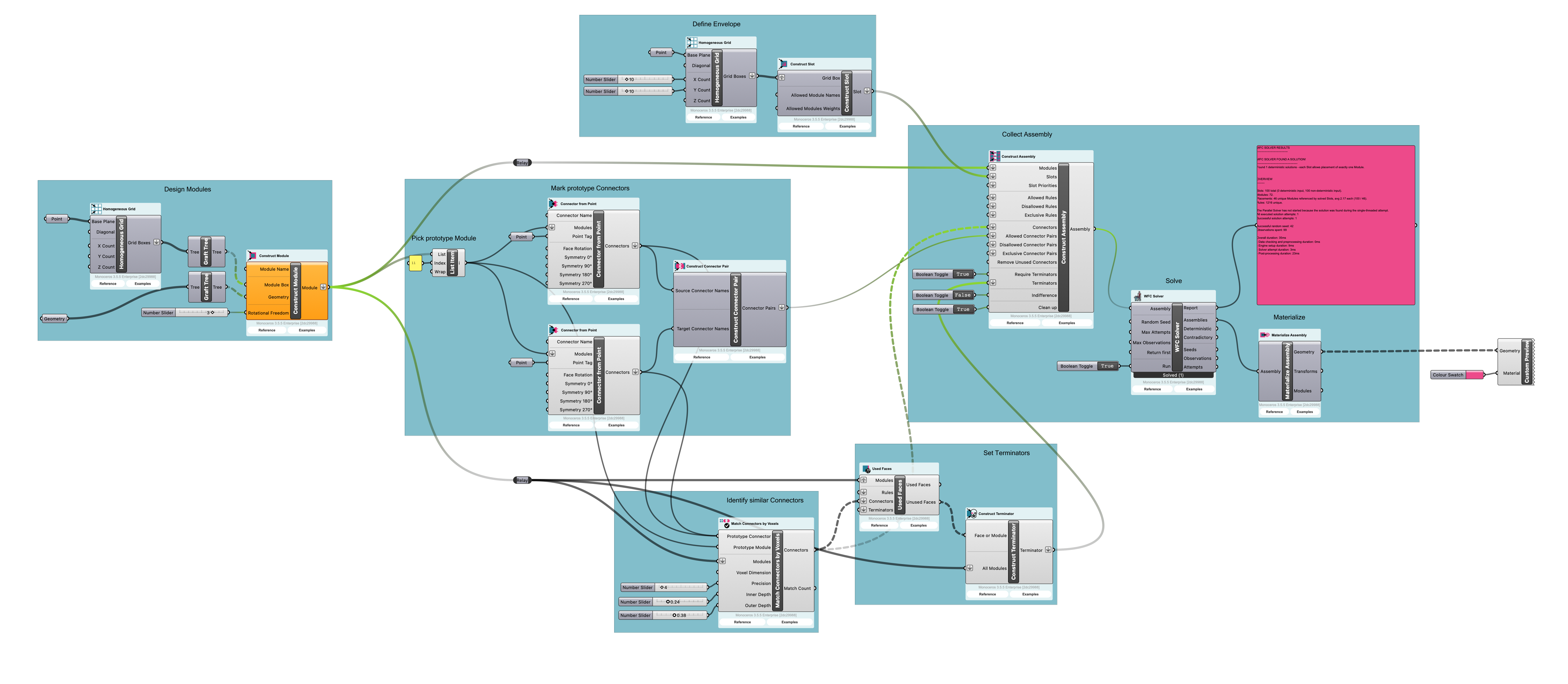
A Rhino and Grasshopper plug-in that assembles designs from parts. Model the parts, define how they connect and generate different arrangements.
Model the parts and define their connections. Monoceros assembles them according to your rules.
02
Parts
The whole model is made from just a few repeated parts.
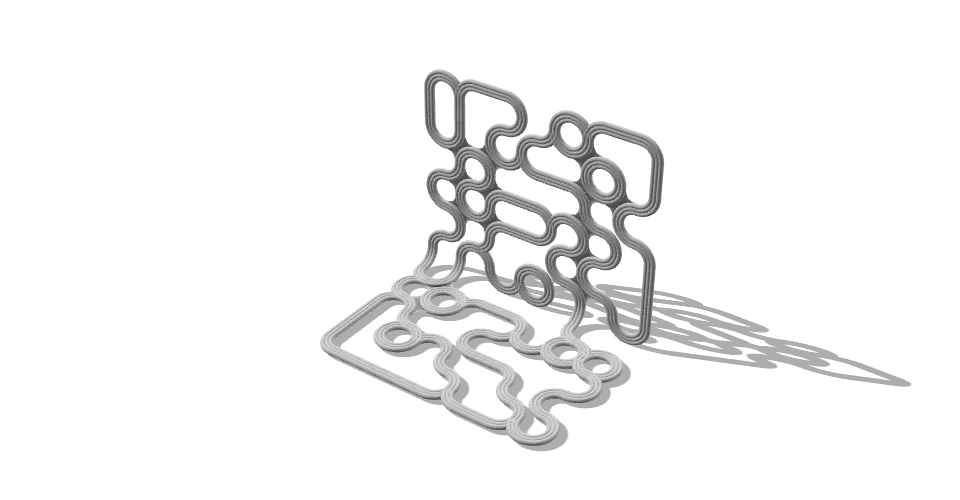
A model made from repeated parts.
03
Kit
One of each type remains: the kit used to build the model. The Tubes kit has six parts.
One of each type makes up the kit.
04
Rules
Rules define which faces can connect. In this example, every tube end must connect to another tube end.
Connections determine which parts can sit next to each other.
05
Assembly
Each grid cell starts with all the parts it could contain. The solver removes options that conflict with the rules until one part remains in each cell. The cells show their possible parts. They darken as options are removed and turn green when one remains.
The solver removes incompatible parts until one remains in each cell.
06
Variation
The same parts and rules can produce different arrangements. Change the random seed to generate another variation. Every example here was computed in this browser.
The same parts and rules, another variation. Computed in your browser.
Work with us
Tools, better workflows and training for your practice.Tools for your practice.
Software
Monoceros
A Rhino and Grasshopper plug-in for generating spatial arrangements from parts and connection rules.
Model a small kit of parts and define which faces can connect. Wave Function Collapse arranges them within a defined space according to those rules. Monoceros is used for buildings, terraces, interiors, furniture and urban studies.
- Requirements
- Rhino 7 or later with Grasshopper, on Windows and macOS
- Licences
- Free tier with limited solver runs. Annual licence $149 or lifetime licence $399 per seat.
- In the browser
- Monoceros Online: a browser version of the same engine, currently in development
Try Monoceros
Try a sample project.
Choose a project or sample. Monoceros assembles it in your browser using its parts and connection rules.
Choose a sample and generate a variation in your browser.
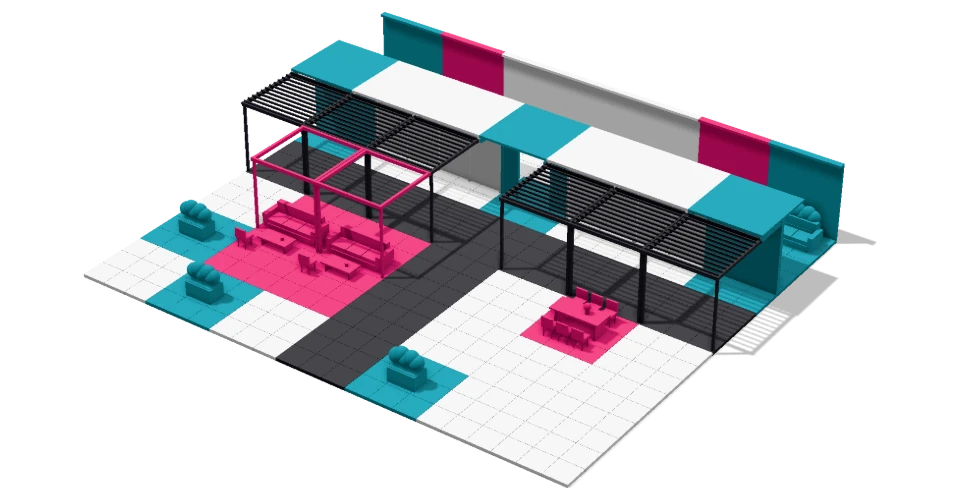
About Monoceros OnlineAn earlier Courtyard kit with seating, planting and canopy parts.
Projects
Design studies, material experiments and projects by Monoceros users.

Material morphologies
Tomáš Tholt & Kristýna Uhrová, Subdigital
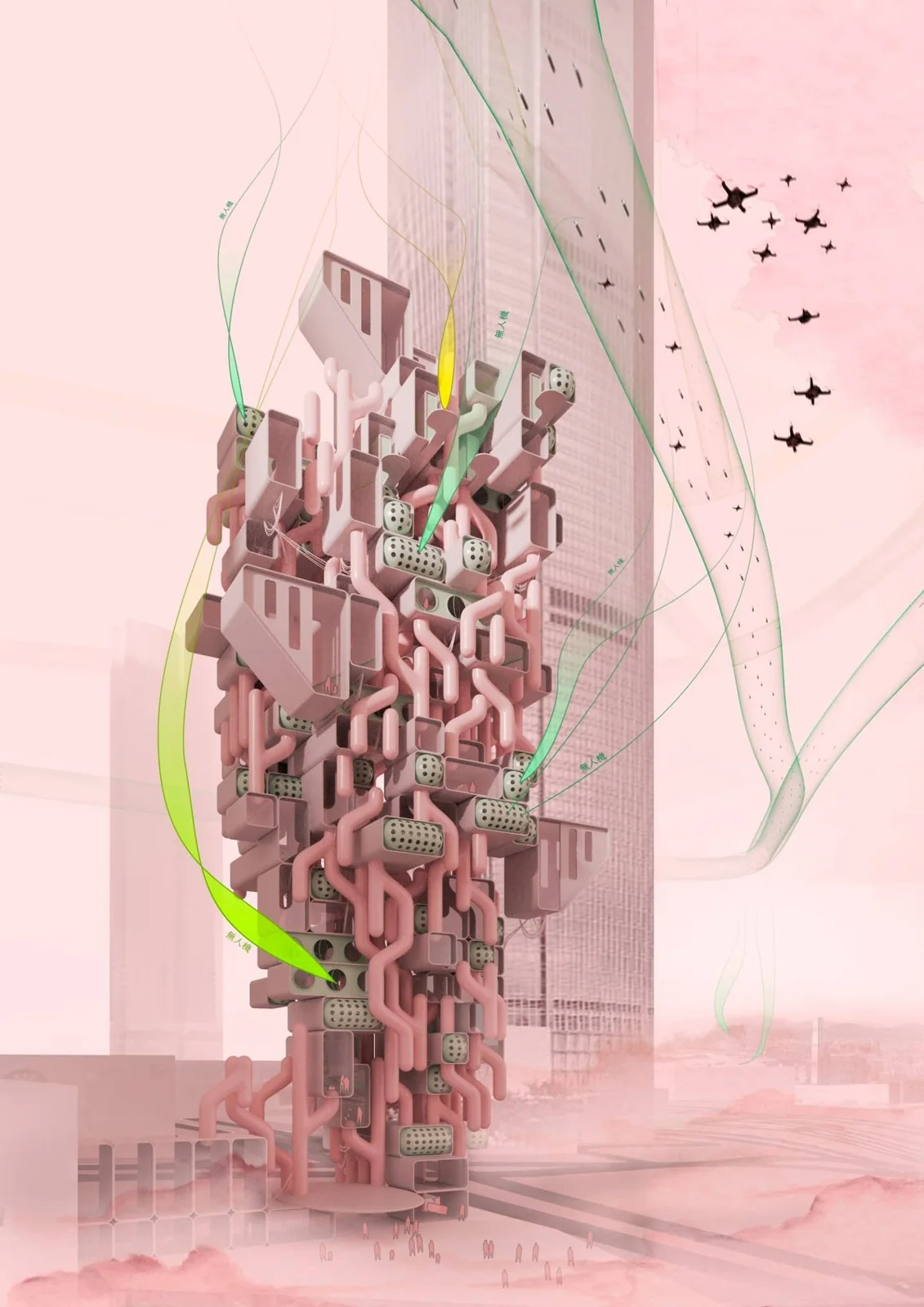
Hong Kong Drone Module
Johan Navarro, Estudio panamétrico
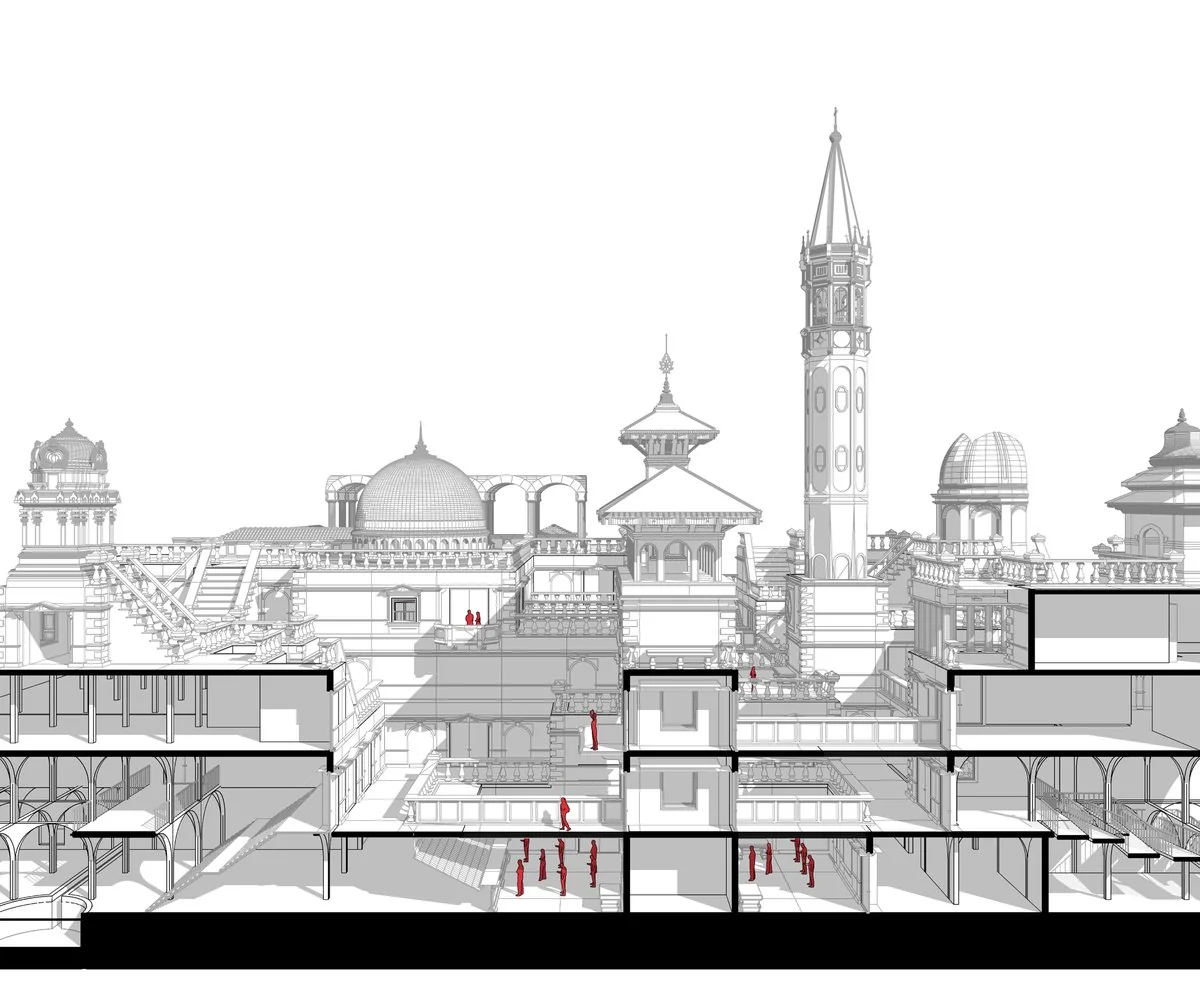
Exodus: A Second Hand City
Niccolò Rimoldi, Studio Dafne Wiegers, Academy of Architecture, Amsterdam University of Arts

Monsoon Nest
Ahmad Baltaji & Shuai Zhang, IAAC MaCAD
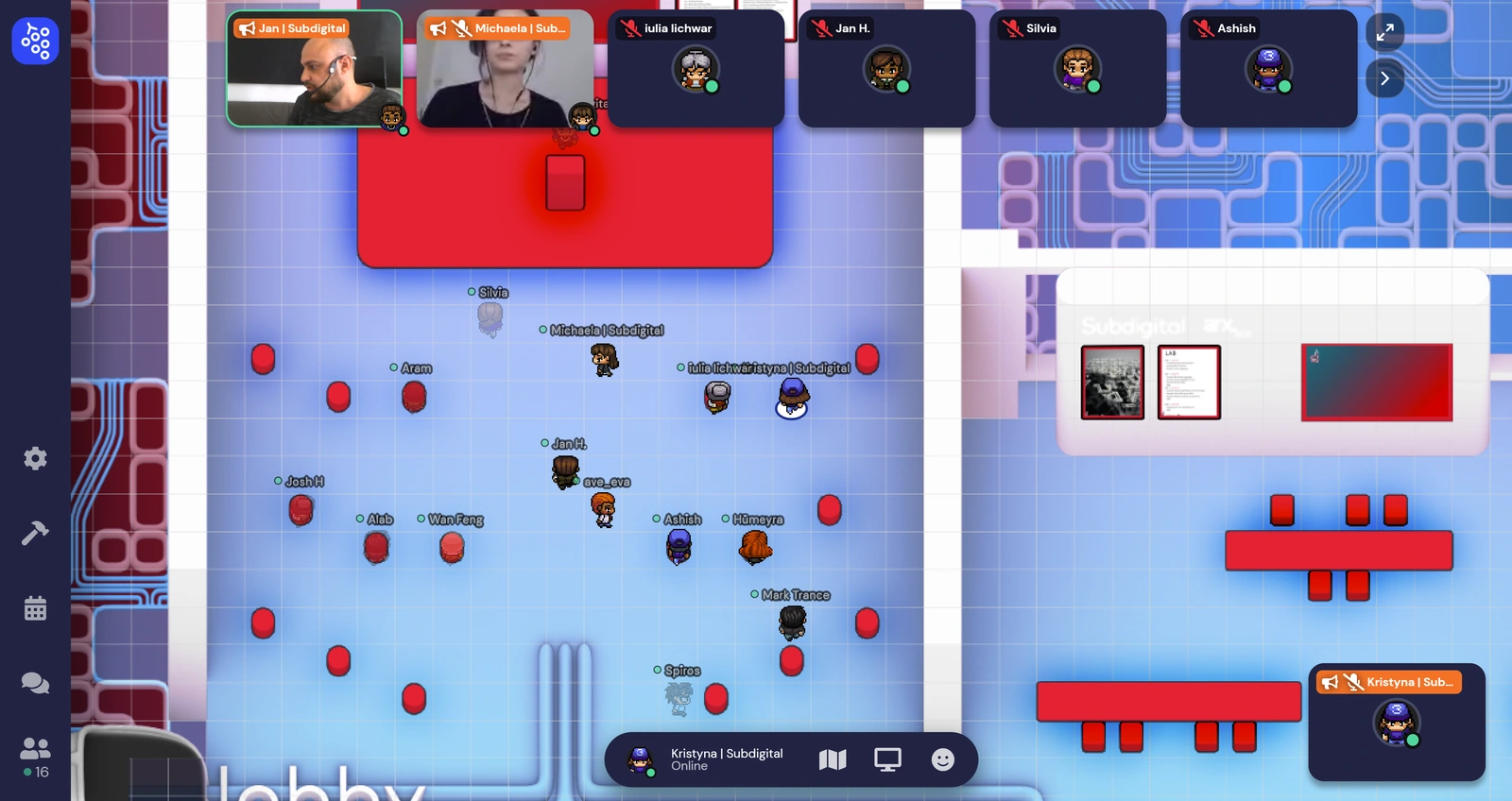
Courses and workshops
Jan teaches computational design at universities and companies. Each course is tailored to the participants’ experience and projects.
- 2023–2024Academy of Architecture AmsterdamMaster’s thesis supervisor
- 2021Universität für angewandte Kunst Vienna, Studio LynnWorkshop instructor
- 2021–2022The Bartlett School of Architecture, UCLWorkshop instructor
- 2020IAAC / MRACSoftware course instructor
The team
We develop specialist tools for architects, designers and engineers, and help teams use it in practice.


Ján Pernecký and Ján Tóth created Monoceros at Subdigital. Architects, designers and students now use it in their own projects, credited throughout this site.
About usWhat are you working on?
Tell us what you are working on and where you need help. We can discuss custom tools, a recurring task or training for your team.